
What crawl space encapsulation costs in Raleigh, NC
Two encapsulation quotes on the same Raleigh house can differ enormously and both be honest, because the word covers very different scopes. North Carolina is unusual in giving you a published standard to measure them against.
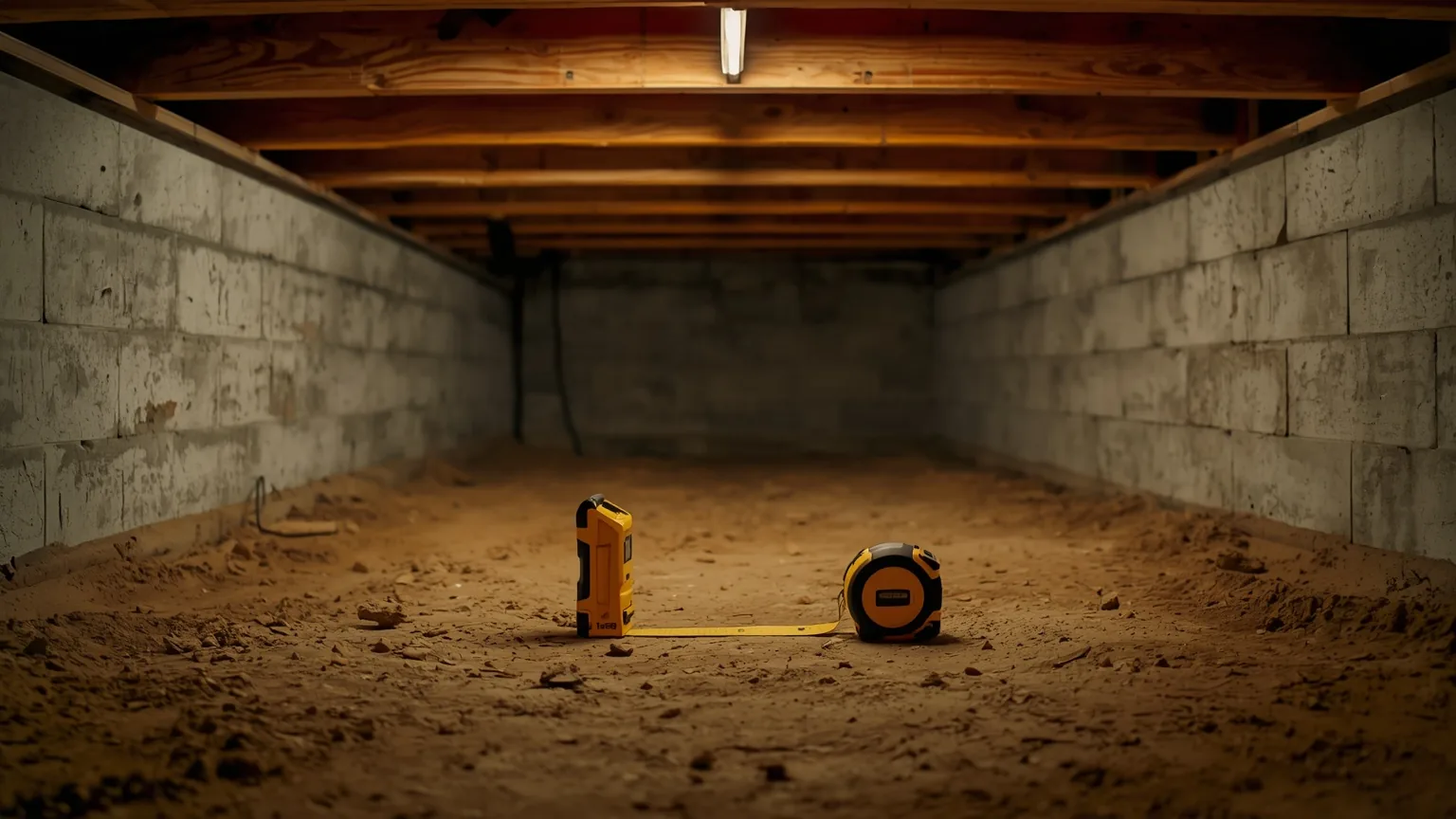
Who handles crawl space encapsulation cost in Raleigh, NC?
Raleigh Crawl Space Solutions does not publish a price, because a crawl space cannot be priced before it is seen. What sets the figure is square footage and clearance, whether drainage or a sump is needed first, liner scope, the drying method, insulation removal and any structural repair. In North Carolina you can check each item against code R409. Call (919) 746-7020 to arrange an evaluation.
Why nobody can quote encapsulation over the phone
Encapsulation is a sequence of steps, not a product with a price. Which steps your house needs cannot be established without someone getting under it and taking moisture readings, so a firm number offered before an inspection is either a liner-only price or a figure that will be revised later.
This is the single most useful thing to understand before collecting quotes. Two Raleigh companies can both say "encapsulation", produce numbers that differ by a multiple, and neither be dishonest — one is pricing sheeting laid on the ground, the other is pricing drainage, sealed vents and rim joists, a liner carried up the walls to a code-compliant termination, and a mechanical means of drying.
What actually moves the number
Eight things set the figure. Every one is observable on site, and every one should appear as its own line on a quote you are asked to sign.
- Square footage and clearance height. The largest driver. Liner, labor and sealing all scale with area, and a space with 18 inches of clearance takes materially longer to work in than one a person can move through on hands and knees.
- Whether drainage or a sump has to go in first. If liquid water enters the space, drainage precedes the liner. On Piedmont clay this is common enough that it is often the entire difference between two quotes on the same house.
- Liner scope and how far it is carried up the walls. Sheeting on the ground and a reinforced liner mechanically fastened up the foundation walls to a proper termination are different jobs. R409.2.2.1 also fixes where the liner has to stop.
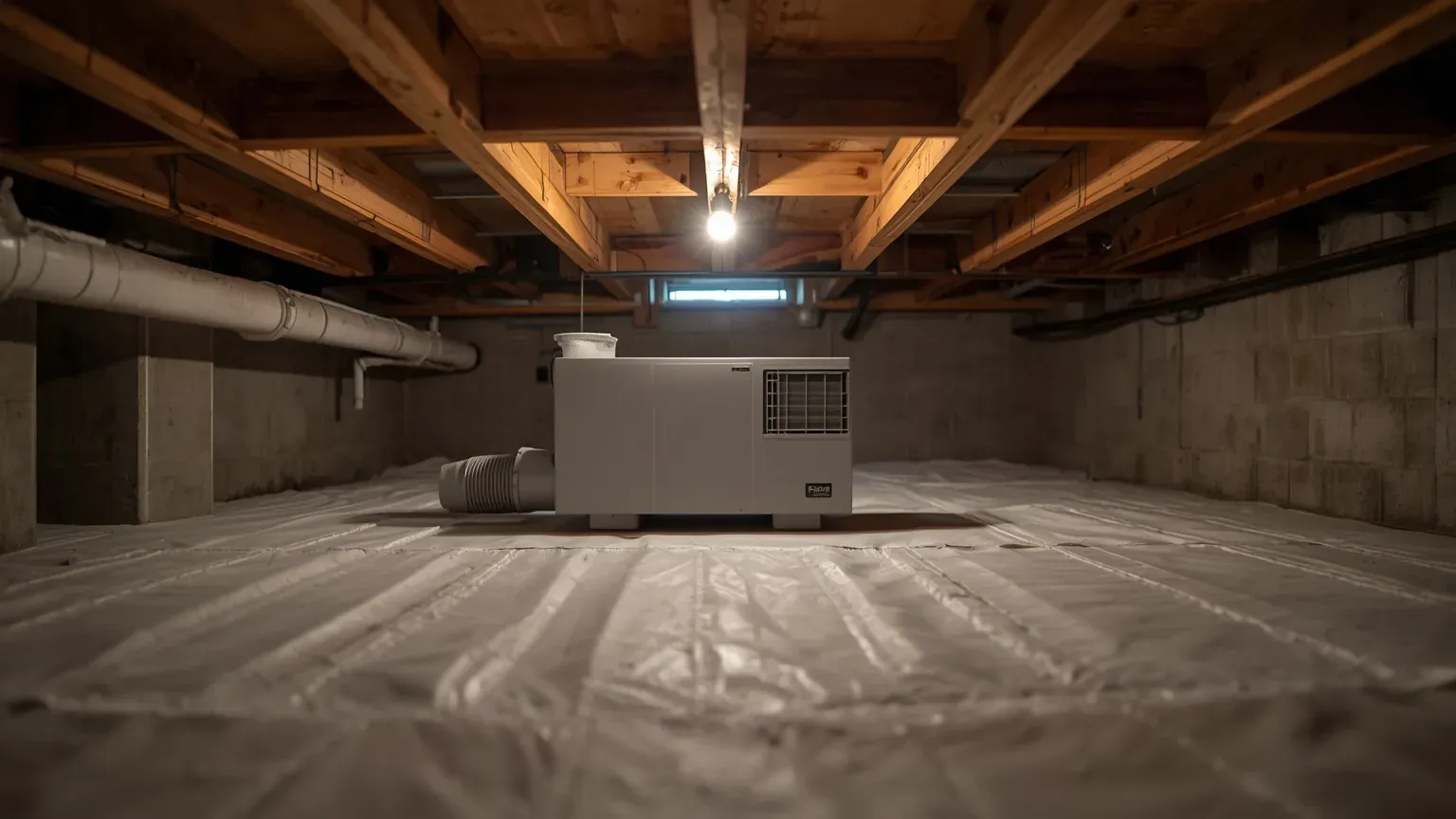
- The drying method. R409.5 requires a closed crawl space to have a mechanical means of drying, so this is never an optional upgrade in North Carolina. A dehumidifier, a conditioned air supply and an exhaust approach carry different equipment and installation costs.
- Removal of existing insulation. Wet fiberglass has to come out and be disposed of before new work starts. That is labor plus haul-away, and it is a common omission from a low quote.
- Structural repair found on inspection. Joists, girders or piers affected by long-term moisture are repaired before sealing, not after. This is the item most likely to move a job into a different price bracket.
- Sealing the vents, rim joists and penetrations. The air-sealing work is invisible once finished and is where an incomplete scope hides. It is also what separates a closed crawl space from a covered one.
- Permit and inspection. Converting a vented crawl space to a closed one requires a permit in this jurisdiction regardless of what the work costs. A quote that assumes no permit has mispriced the job.
How North Carolina lets you compare quotes properly
Most states leave you comparing marketing language. North Carolina writes closed crawl spaces into residential code, which means the specification is published and a proposal can be measured against it rather than against a competitor's brochure.
Ask each contractor to state, in writing: the liner specification and how it terminates at the wall, whether the 3-inch to 4-inch termite inspection gap under R409.2.2.1 is maintained, which drying method under R409.5 is being installed and at what capacity, what happens to the existing insulation, and whether drainage is included or excluded.
A quote that answers all six is comparable to another quote that answers all six. A single number beside the word encapsulation is not comparable to anything, and in this state you are entitled to better.
When the licensing threshold starts to matter
North Carolina requires a General Contractor license from the NC Licensing Board for General Contractors where the cost of the undertaking is $40,000 or more — a threshold raised from $30,000 on October 1, 2023. Most encapsulation projects sit below it.
It becomes relevant once structural repair or extensive drainage is bundled into the same contract, because that is what pushes a crawl space job across the line. If your total is near that figure, ask how the work is being contracted and verify any GC license directly with the NCLBGC. Electrical work for a dehumidifier circuit and mechanical work for a supply duct fall under separate trade licensing regardless of the project's size.
Where cost and value separate
The cheapest scope is sheeting laid over the floor. It genuinely costs less and it genuinely does less — it slows ground moisture and does nothing about humid outside air entering through open vents, which in a Raleigh summer is a large share of the load.
The costly mistake is buying a complete encapsulation while the water source is still live. The liner conceals the problem rather than fixing it, and the damage continues underneath where nobody is looking. Sequence is what you are actually paying for: find the water, repair what it damaged, then seal and dry.
Why this question is different in Raleigh
In most of the country, comparing encapsulation quotes means comparing sales language, because there is no published definition of what the word has to include. North Carolina is one of the few states that writes closed crawl spaces into residential code, so here the floor is set by R409 rather than by whichever contractor is most persuasive.
That has a practical consequence for cost. A Raleigh quote that omits a mechanical means of drying is not a cheaper version of the same job — it is a job that does not meet the code the inspector will apply. Knowing that turns a confusing price spread into a much simpler question: which of these proposals actually describes a closed crawl space?
Crawl Space Encapsulation Cost questions
Why will nobody give me a price over the phone?
Because the scope depends on conditions only observable under the house — whether water enters, how much insulation must come out, whether framing is damaged, and how accessible the space is. A firm figure given before an inspection is usually a liner-only price that changes once someone has been underneath.
Does NC code make encapsulation more expensive?
It removes the cheapest shortcuts rather than adding cost for its own sake. R409 requires a mechanical means of drying and fixes how the liner terminates, so a compliant job cannot be quoted as sheeting alone. The benefit is that the specification is published and you can hold a quote to it.
Is a vapor barrier cheaper than encapsulation?
Yes, because it is one component rather than the whole system. Whether it is sufficient is the real question. A barrier slows moisture from the ground but does nothing about humid air entering through open vents, which is a large part of the load in the Triangle.
Why is one Raleigh quote double another?
Usually scope rather than margin. Liner specification, whether drainage is included, whether old insulation is removed, which drying method is installed, and whether a permit is priced all vary. Only a line-by-line quote shows you which of those differences you are actually being charged for.
Do I need a licensed general contractor for encapsulation?
Only where the cost of the undertaking reaches $40,000, the threshold set in N.C.G.S. 87-1 and raised from $30,000 on October 1, 2023. Most encapsulation work falls below it. Electrical and mechanical work carry their own trade licensing regardless of project size.
Related crawl space services
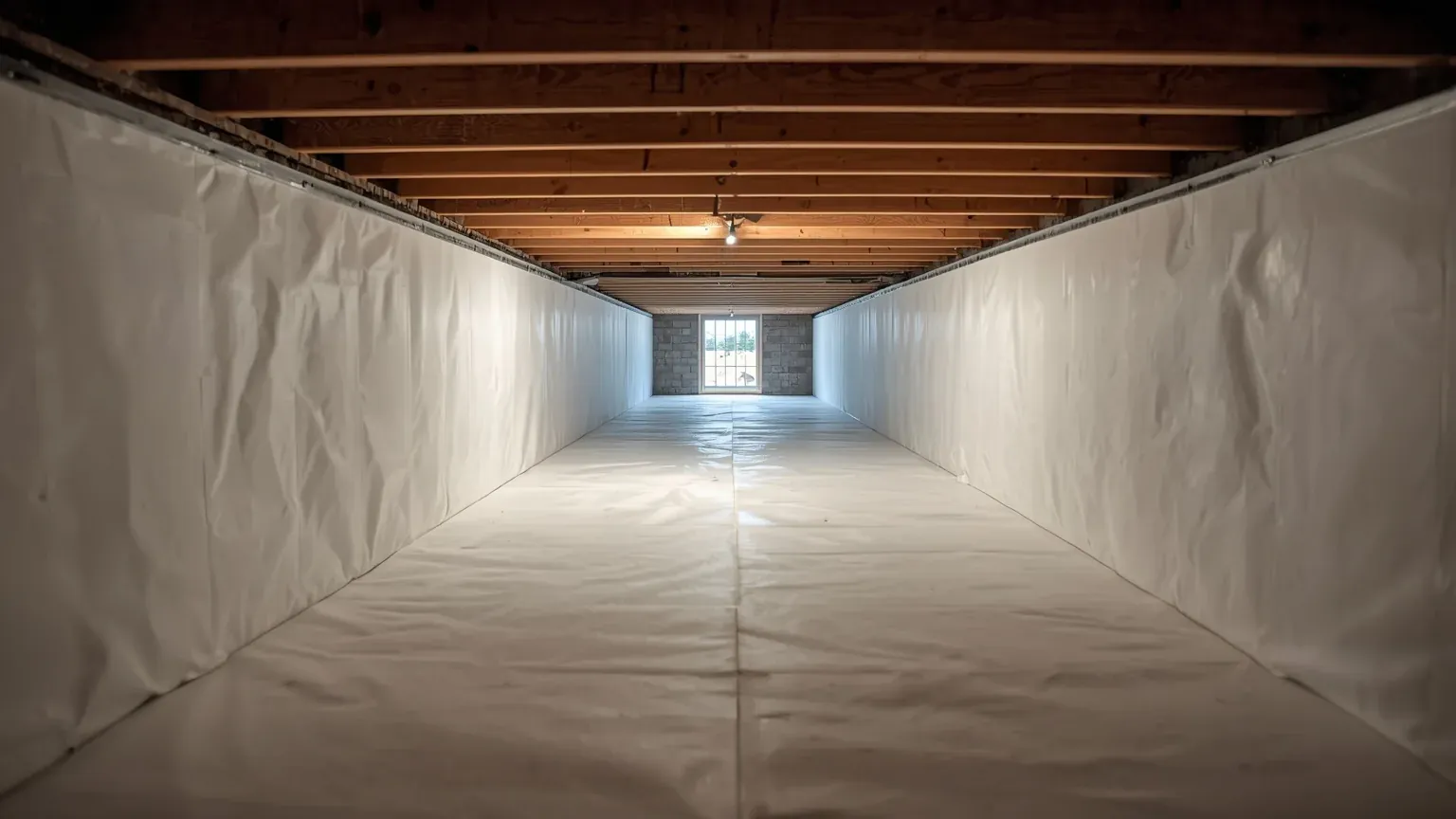
Crawl Space Encapsulation
Sealing the space and controlling what is left — to the NC R409 standard.
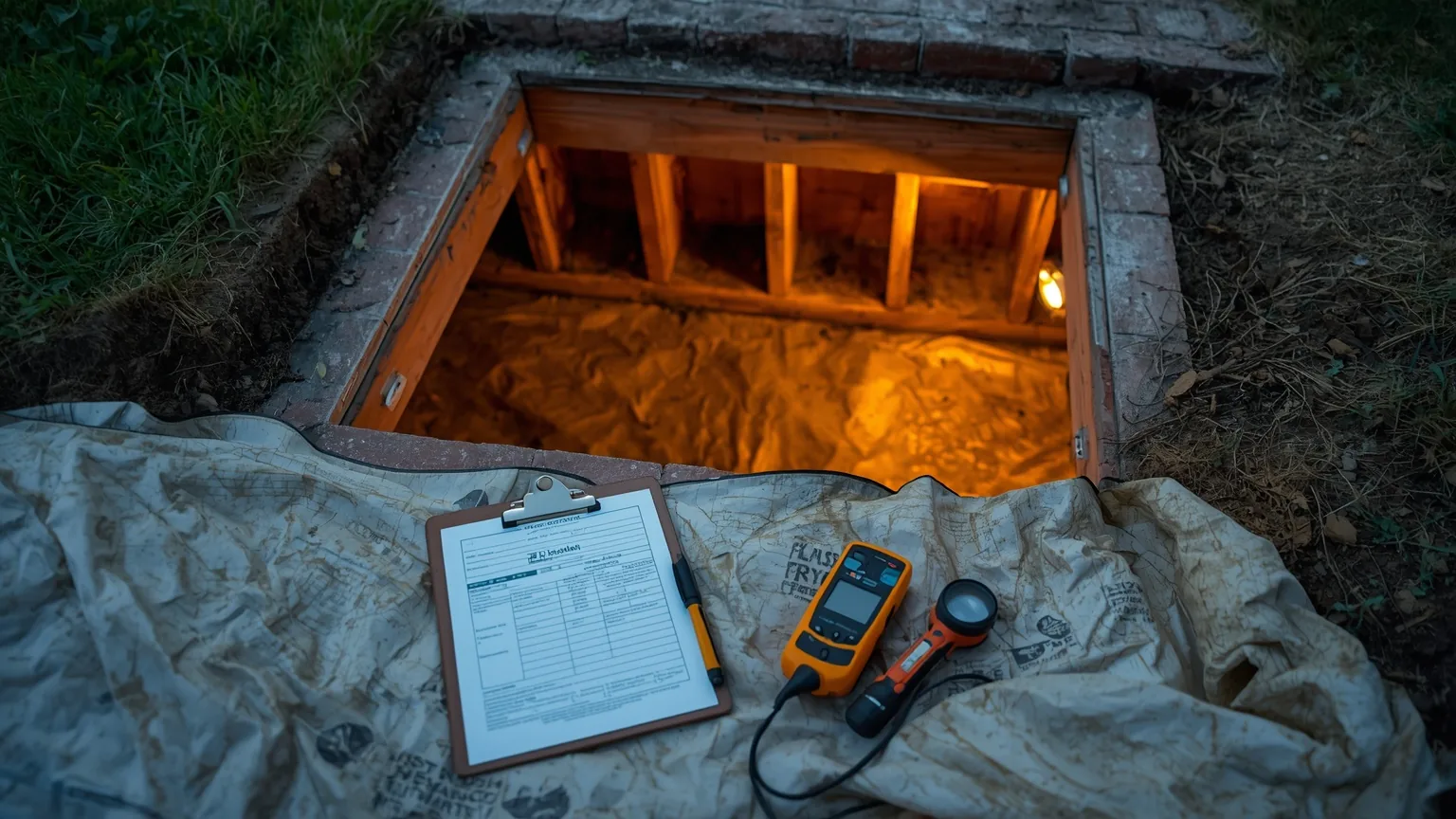
Crawl Space Encapsulation Contractor
How to vet a contractor, read a quote, and spot an incomplete scope.
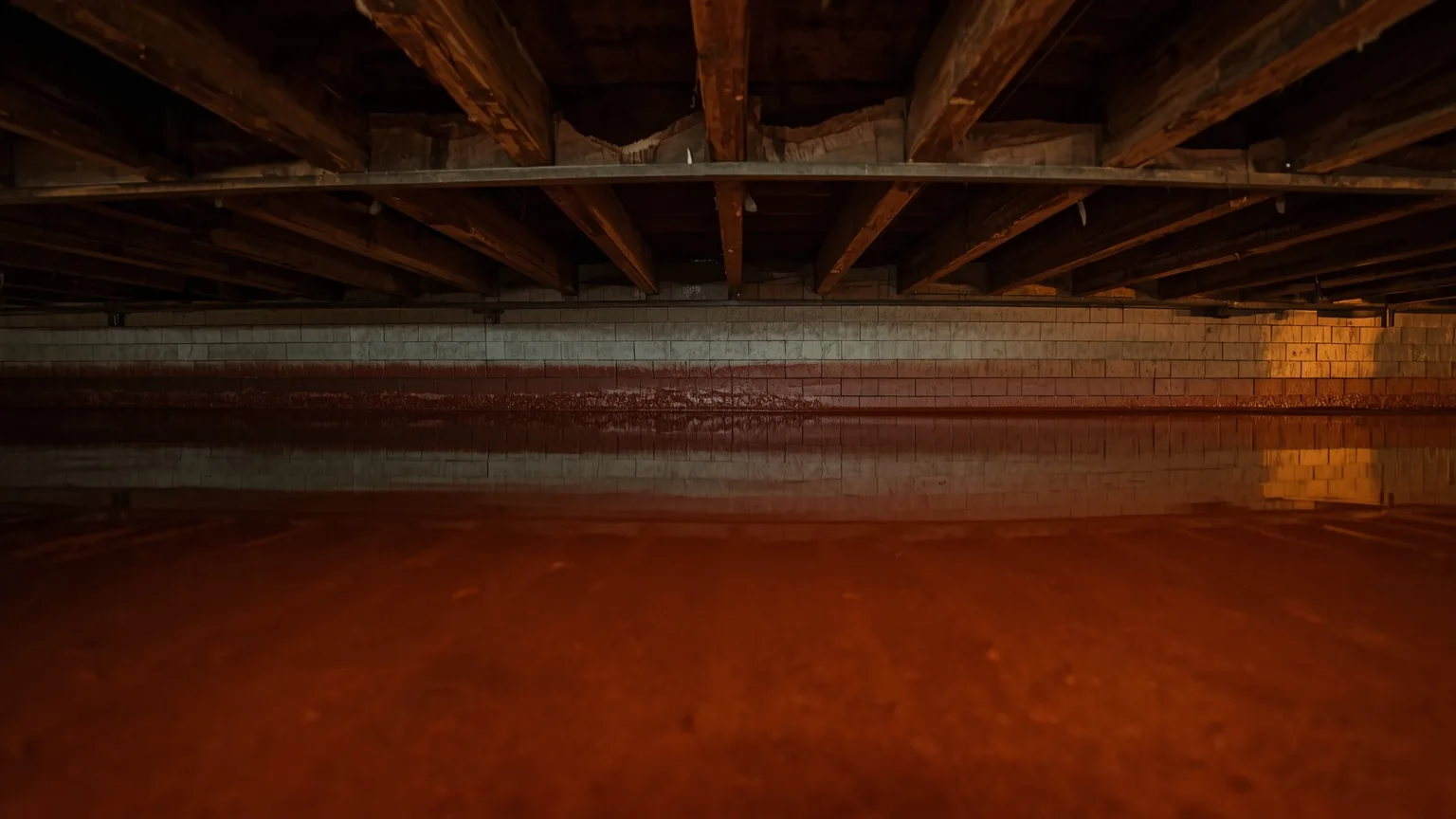
Crawl Space Waterproofing
Liquid water: finding where it enters before anything gets sealed.
Crawl Space Dehumidifier Installation
Sizing, condensate drainage and the circuit the code requires.
Find out what is actually causing it.
Someone under the house, moisture readings taken, and the scope written down before a price is attached.