
Crawl space waterproofing in Raleigh, NC
Waterproofing deals with liquid water — water you can see, standing on the ground or running in at the footing. It is a different problem from humidity, it is solved with different work, and it has to be finished before anything gets sealed.
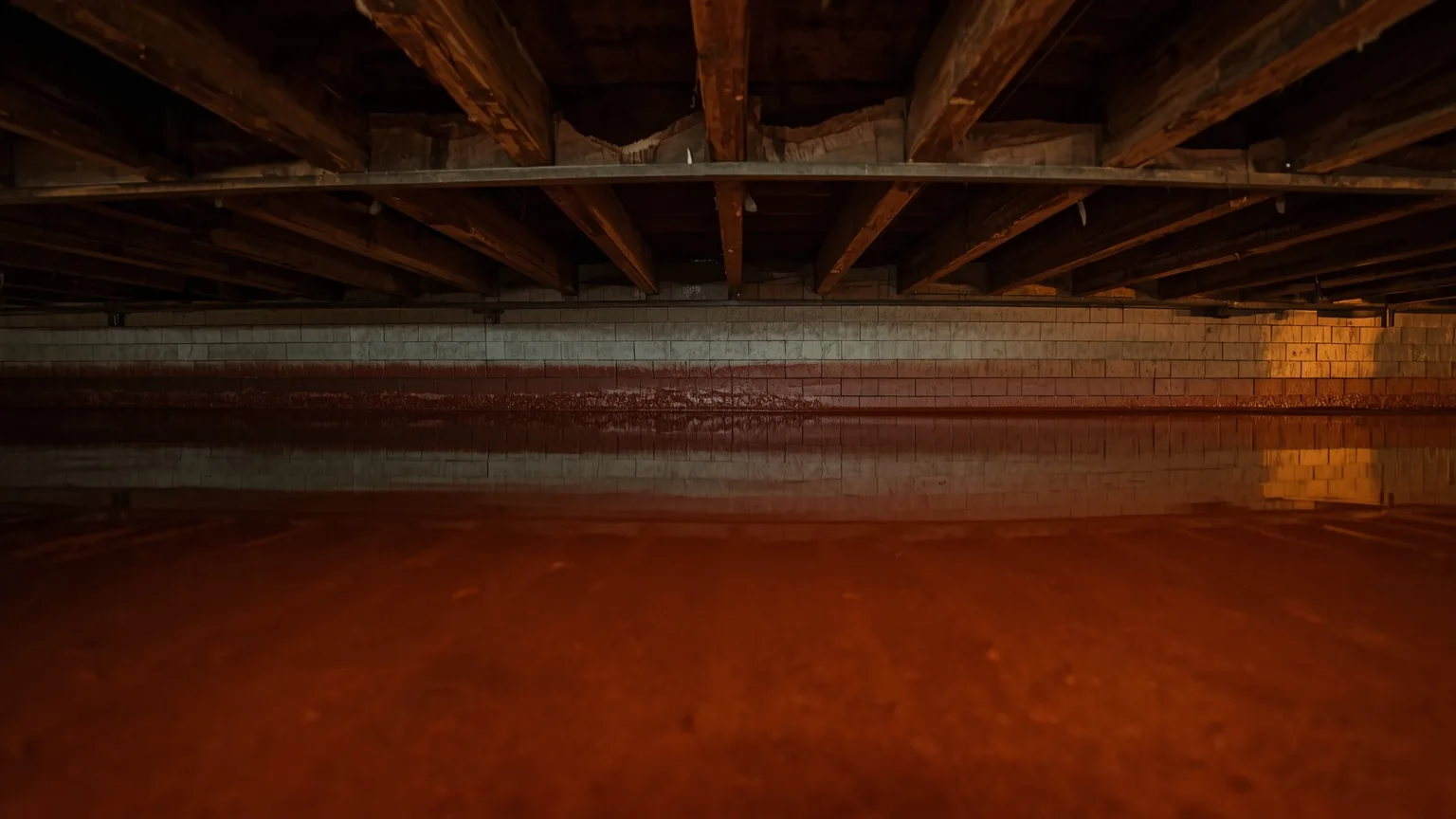
Who handles crawl space waterproofing in Raleigh, NC?
Raleigh Crawl Space Solutions arranges crawl space waterproofing across Raleigh and the Triangle — identifying where water enters, then specifying grading, drainage, sump or sealing in the order that actually stops it. Call (919) 746-7020 to arrange an evaluation.
Find the source before choosing the solution
This is the whole discipline, and it is where most money is wasted. Water shows up in a Raleigh crawl space through a small number of routes, and the right repair depends entirely on which one you have.
Surface water is the most common and the cheapest to fix — roof water discharging at the foundation, downspouts ending at the wall, grading that falls back toward the house, or a driveway and patio shedding toward the crawl space. A great many crawl space water problems in Wake County subdivisions are surface water problems wearing a more expensive disguise.
Groundwater rises from below or moves laterally through the soil, and it needs interception rather than redirection. Plumbing leaks are their own category and are worth ruling out early, because no amount of drainage fixes a supply line. And condensation is not a waterproofing problem at all, even though it can leave genuine puddles.
Why Piedmont clay produces surprising results
Raleigh takes roughly 46 inches of rain a year, and the ground receiving it is Cecil soil — deep red Piedmont clay, typically 6 to 8 feet before saprolite. It is classed as well drained on ridges and side slopes, which leads people to assume water moves down and away.
The clay fraction transmits water slowly, and the grading and compaction that come with building a subdivision slow it further. Water that cannot move downward moves sideways, following whatever path is easiest — often along the interface between fill and undisturbed soil, or straight along the outside of a footing.
Two consequences matter for a homeowner. A crawl space can take on water while the yard above it looks completely dry, so the absence of a soggy lawn proves nothing. And your neighbor's diagnosis does not transfer to your house, because how each lot was cut, filled and compacted differs.
What the work involves
Ordered cheapest and least invasive first, which is also the order a competent contractor should propose them.
- Gutters, downspouts and discharge. Extending discharge well away from the foundation. Unglamorous, inexpensive, and genuinely solves a meaningful share of crawl space water.
- Grading. Re-establishing fall away from the house. Often undone over the years by landscaping beds, mulch build-up and settlement.
- Exterior drainage. Intercepting water before it reaches the foundation. More disruptive and more expensive, but it addresses the water where it originates.
- Interior perimeter drainage. A drain line inside the crawl space collecting water that gets in and routing it to a discharge point or sump. Used where exterior work is impractical or insufficient.
- A sump system. Where water has to be lifted rather than run off by gravity. The last resort in the sequence, not the opening move.
Why waterproofing comes before encapsulation
A liner installed over a crawl space that still takes on water does not stop the water. It puts a sheet of plastic over it, and now water collects underneath where nobody can see it.
This is the single most expensive misunderstanding in the trade, and it is worth being direct about: encapsulation manages vapor and humidity. It does not remove liquid water. Where liquid water is present, an honest quote is two scopes in sequence rather than one, and the cheaper single-scope quote is usually the more expensive decision.
If a contractor has looked at a crawl space holding water and proposed encapsulation with no drainage, that is the point to get another opinion.
Signs you have a water problem rather than a humidity problem
Standing water or visibly saturated ground, especially where it appears during or right after rain and recedes afterwards. That timing is the clearest single indicator.
Wash patterns or channels in the crawl space soil, silt deposits, or a tide line on piers and foundation walls. Efflorescence — the white mineral bloom on block or concrete — shows where water has been moving through masonry.
Water that appears in still, humid weather with no rain, by contrast, points at condensation. The two get treated as one problem constantly, and they need different work.
What NC code requires of crawl space drainage
North Carolina writes this into the building code rather than leaving it to contractor preference. R409.2.1 requires the floor of a closed crawl space to be graded so that it drains to one or more low spots, with a drain to daylight or a sump pump installed at each low spot. A compliant closed crawl space here has to have a plan for liquid water, not only for vapor.
The same section requires crawl space drains to be kept separate from roof gutter drain systems and foundation perimeter drains. That is worth checking on a written scope, because combining them is faster to install and routes roof water into the system meant to be carrying water away from under the house.
Crawl Space Waterproofing questions
Can I encapsulate a crawl space that gets standing water?
Not as the first step. Encapsulation manages vapor and humidity — it does not remove liquid water, so a liner laid over a space that still floods seals the water underneath where it carries on unseen. Drainage has to come first, and a proposal for a wet crawl space should be two scopes in sequence rather than one.
Why does my crawl space flood when my yard looks dry?
Because Piedmont clay moves water sideways rather than down. The Cecil soils across Wake County transmit water slowly through the clay fraction, and construction grading and compaction slow it further, so water follows lateral paths — often along the interface between fill and undisturbed soil, or straight along a footing. A dry-looking lawn tells you very little about what is happening at foundation depth.
Is exterior or interior drainage better?
They solve the problem at different points. Exterior drainage intercepts water before it reaches the foundation, which is the more thorough approach but also the more disruptive and expensive one. Interior perimeter drainage collects what gets in and routes it away, and is used where exterior work is impractical. Which is appropriate depends on where water is entering, which is why the source has to be identified first.
How much of this is just a gutter problem?
More often than homeowners expect. Roof water discharging at the foundation and downspouts terminating at the wall put a large, concentrated volume exactly where you least want it, and grading that has settled back toward the house compounds it. Any competent evaluation checks those before proposing excavation.
Related crawl space services
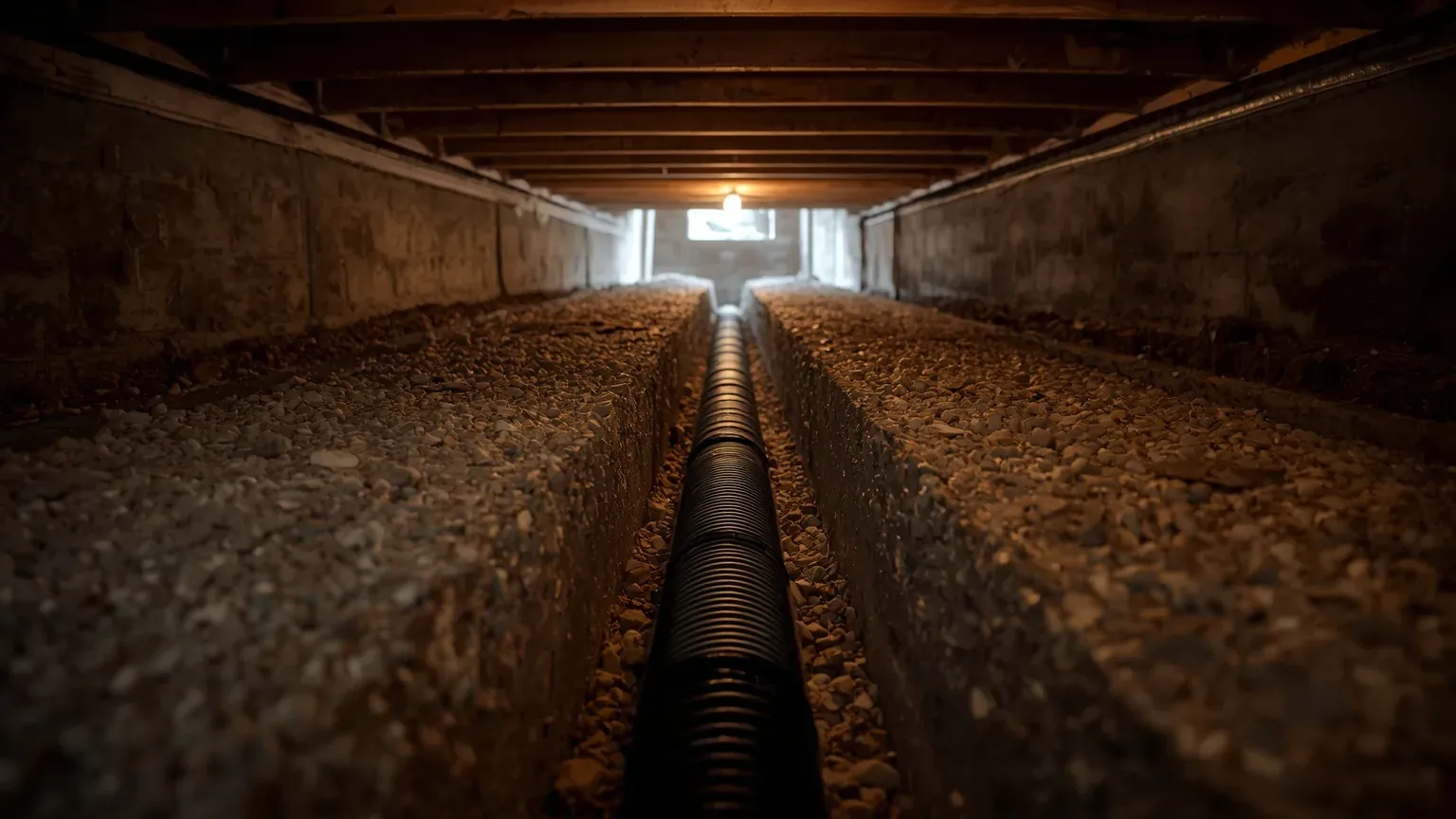
Crawl Space Drainage
Grading, discharge and drain lines that give water somewhere else to go.
Crawl Space Encapsulation Cost
What moves the number — and how to compare two quotes against NC code.
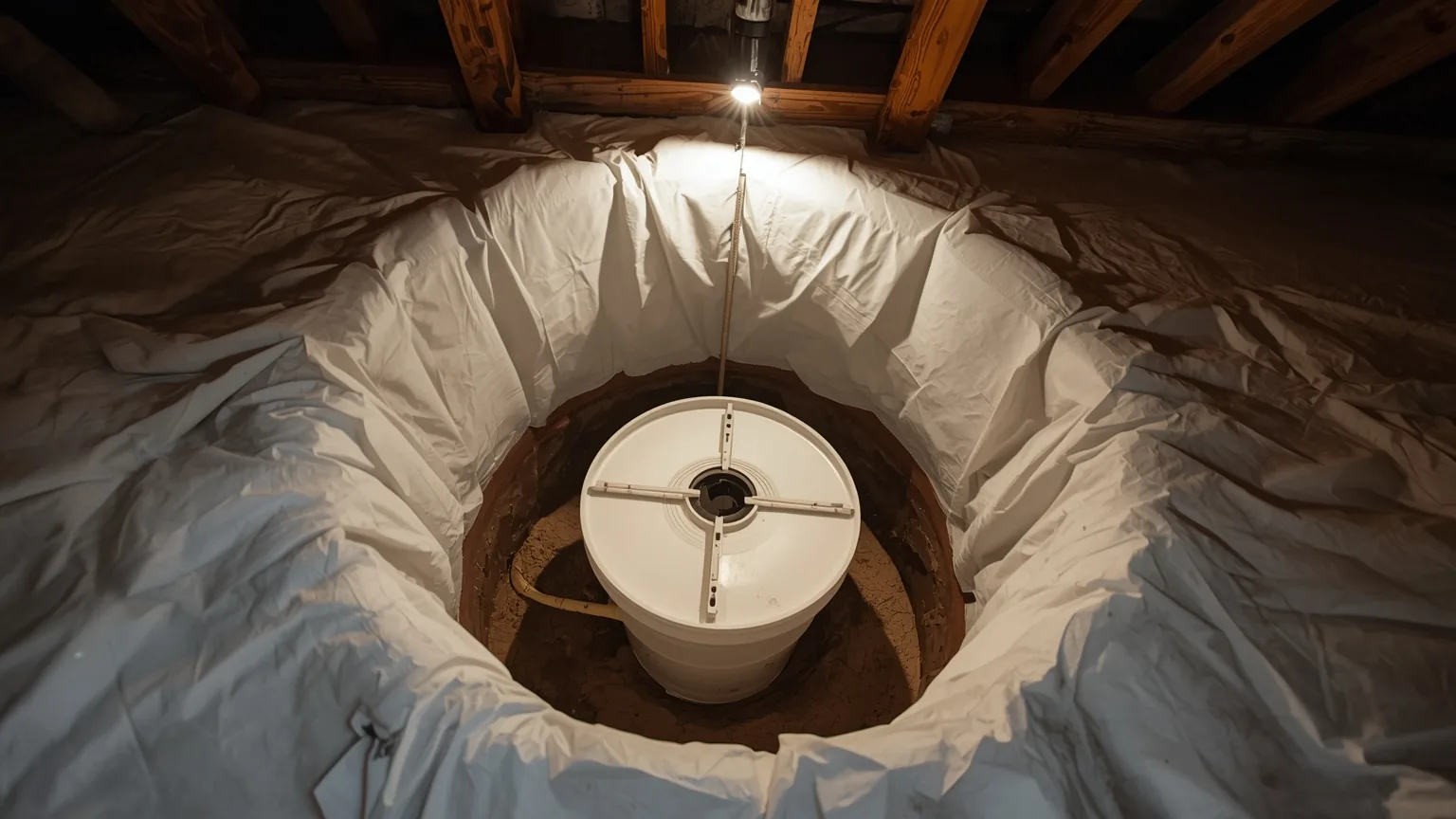
Crawl Space Sump Pump Installation
For crawl spaces with no gravity route out. Basin, pump and discharge.
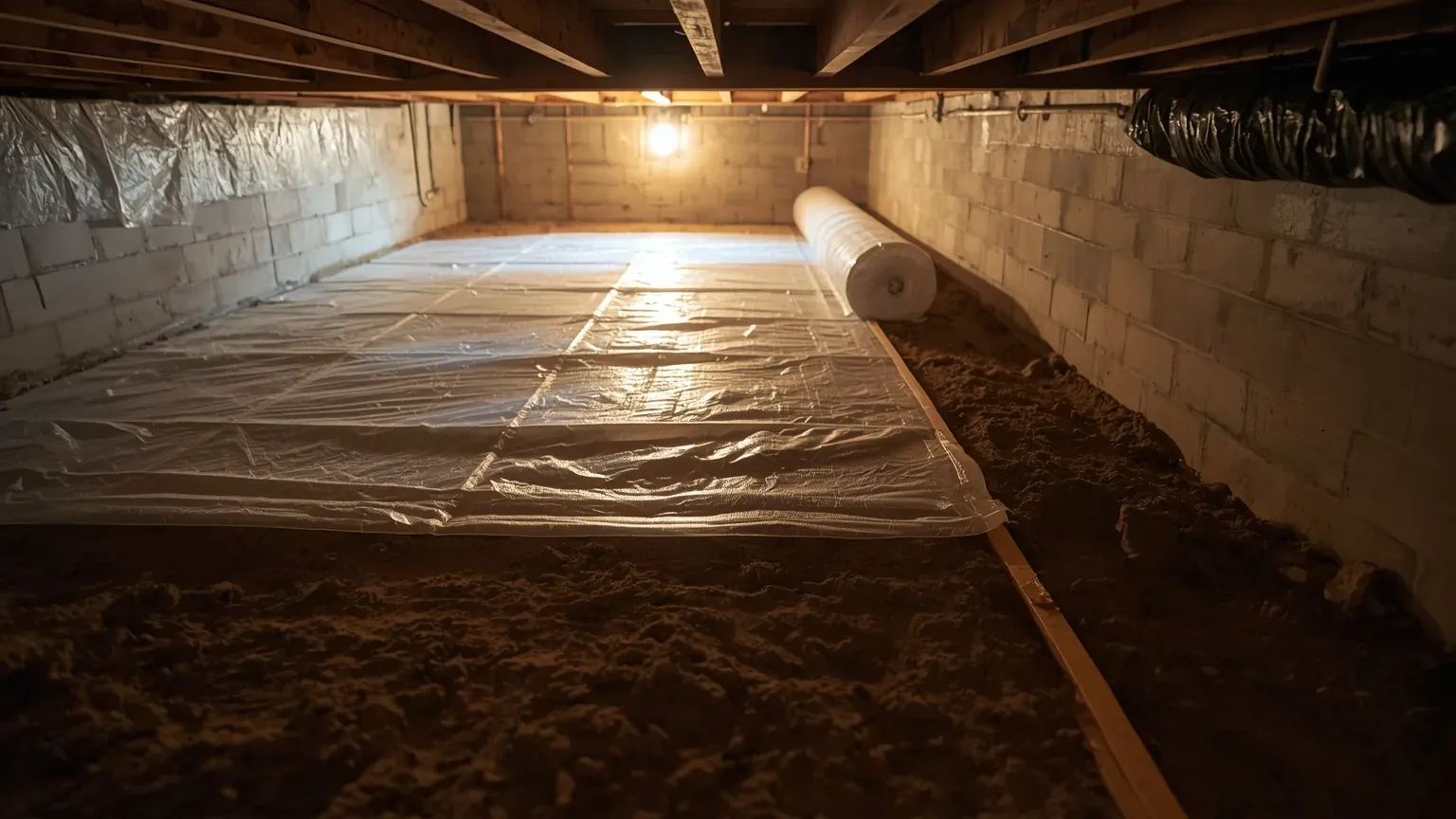
Crawl Space Vapor Barrier
Ground cover that stops soil moisture — and where it stops being enough.
Find out what is actually causing it.
Someone under the house, moisture readings taken, and the scope written down before a price is attached.