
Crawl space repair in Raleigh, NC
Crawl space repair covers a wide range of problems that show up in similar ways upstairs. A springy floor might be a moisture-damaged joist, a failing support, or a girder that was never adequate — and those are three different repairs. What they have in common is that the moisture behind them has to be dealt with, or the repair gets undone.
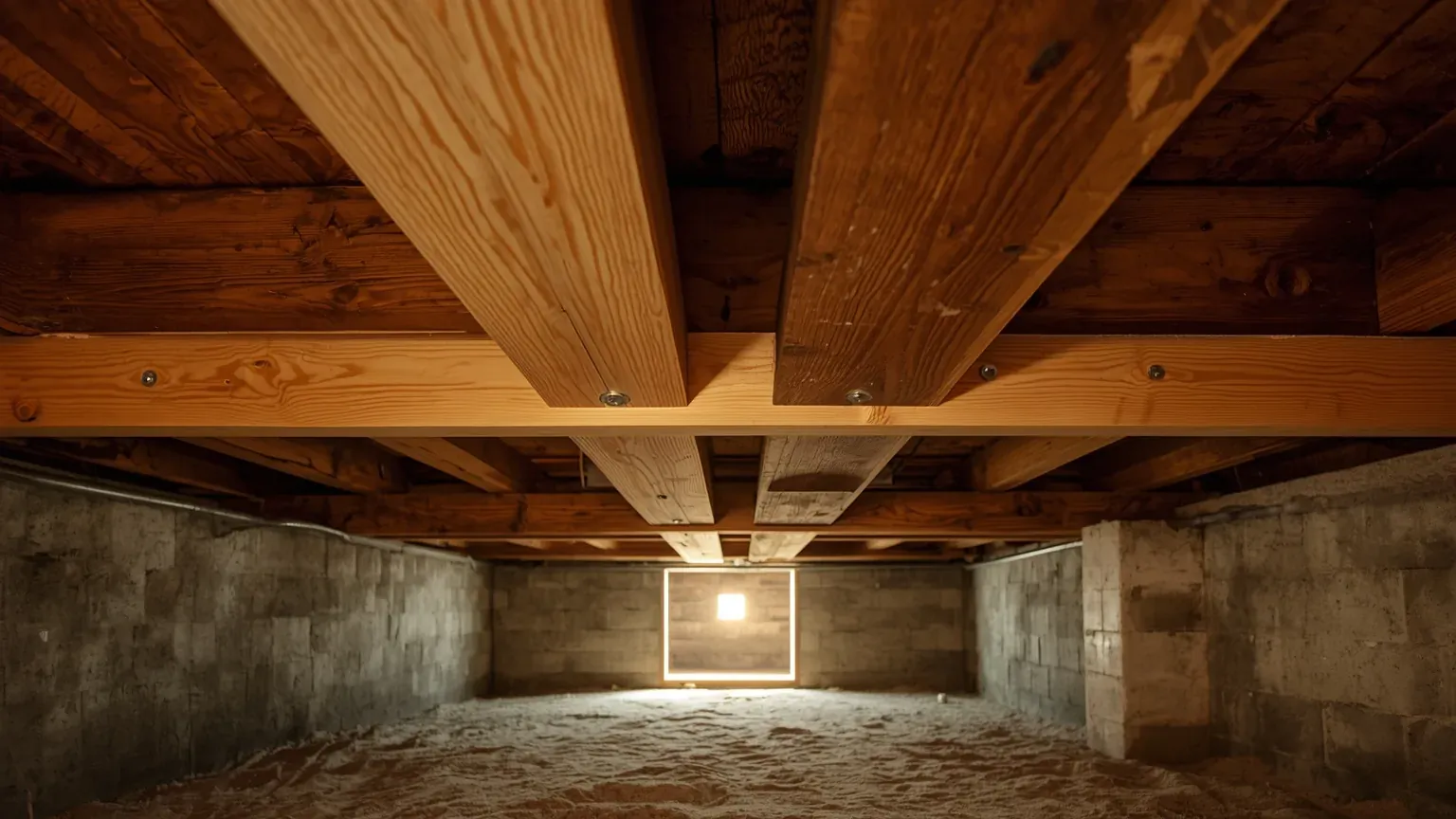
Who handles crawl space repair in Raleigh, NC?
Raleigh Crawl Space Solutions arranges crawl space repair across Raleigh and the Triangle — structural assessment, moisture readings and a written scope that addresses the water source before the damage it caused. Call (919) 746-7020 to arrange an evaluation.
The symptoms, and what they can mean
Homeowners rarely arrive here describing a crawl space problem. They describe something happening in the house.
- Floors that feel springy or bouncy. Framing that has lost stiffness — moisture-damaged joists, a failing support post, inadequate girder spans, or a pier that has settled. Different causes, different repairs.
- Floors that slope or dip. Usually points at settlement or a support that has moved rather than at rot alone, and it needs the cause established before anything is jacked.
- Doors and windows that stop latching square. Movement in the structure. Sometimes crawl space related, sometimes not — worth investigating rather than planing the door.
- Insulation hanging down or lying on the ground. Moisture. Fiberglass absorbs water, gains weight and lets go. Almost always a symptom of a humidity problem rather than a fixing failure.
- Musty odor on the ground floor. Air migrates upward through a house, carrying whatever is in the crawl space into the rooms above. Odor that returns every summer points down there.
- Visible fungal growth on joists or subfloor. Wood that has been sitting above roughly 20 percent moisture content long enough for decay organisms to become active.
Why the moisture comes first
Most crawl space structural damage in this region is moisture damage that ran long enough to reach the framing. Wood begins supporting fungal growth at around 20 percent moisture content, and the damage is slow and cumulative — months above that threshold, season after season, rather than one wet week.
Which means replacing a rotted joist in a crawl space that is still wet buys time rather than a solution. The new timber sits in the conditions that destroyed the old timber.
Any sound proposal establishes the moisture source, stops it, repairs the damage, and then controls the remaining humidity so it does not return. A contractor proposing structural repair with no reference to the water is selling you the same job twice.
What repair work actually involves
Sistering or replacing damaged joists, where decay is localised and the surrounding framing is sound. Replacing deteriorated subfloor. Replacing or supplementing failing support posts and girders, and correcting piers that have settled.
Removing insulation that has absorbed moisture — which is disposal as well as removal, and is a common line item to check for in a quote.
Where framing is being altered or replaced, that is structural work and carries a permit requirement. Worth establishing who is pulling it, and worth knowing that if the total project reaches $40,000 a General Contractor license becomes mandatory in North Carolina, where below that threshold it does not.
What an inspection should establish
Where water enters, if it does — grading, gutters, groundwater, plumbing — because that determines the sequence of everything else.
Moisture content readings on joists, beams and subfloor at several points, rather than a visual impression. This is what separates wood that looks bad from wood that is structurally compromised, and they are not the same thing.
The condition and adequacy of supports, girders and piers, and whether what you have is decay, settlement, or original construction that was marginal from the start. And a written scope in sequence, because on a crawl space with both water and damage, the order is most of the value.
Why repair sequencing matters especially here
A humid subtropical summer means framing in an untreated crawl space spends months at a time above the moisture content where decay organisms are active. Damage accumulates season by season rather than in a single event, which is why it usually surfaces as a springy floor long after the cause began.
It also means repairs done without fixing the moisture have a predictable outcome. New timber placed in the same conditions follows the same path, and the second repair costs what the first one did.
Crawl Space Repair questions
How do I know if my floor joists need replacing?
By measurement rather than appearance. Wood that is stained or discolored is not necessarily compromised, and wood that looks acceptable can be soft. Moisture meter readings at several points, combined with probing for soft material and an assessment of how far decay extends, establish whether a joist can be sistered, needs replacing, or is sound.
Can sagging floors be fixed without addressing moisture?
They can be repaired, but the repair will not last if the moisture that caused the damage is still present — new timber in the same conditions goes the same way. Where moisture is the cause, the correct sequence is to stop the water, repair the damage, then control the humidity.
Is crawl space repair covered by homeowners insurance?
Long-term moisture damage and decay are generally excluded as maintenance issues, while sudden events such as a burst supply line are more often covered. It depends entirely on your policy and on what caused the damage, so it is worth reading the policy and asking your insurer directly rather than assuming either way.
Does crawl space repair need a permit in Raleigh?
Structural work — altering or replacing framing members — carries a permit requirement, as does electrical or mechanical work within the project. Separately, converting a vented crawl space to a closed one requires a permit regardless of cost. Ask which permits are being pulled and by whom.
How long does crawl space repair take?
It varies with the scope more than almost any other work in this trade. Localised joist repair in an accessible space is short work; a project that involves drainage first, then structural repair, then sealing runs considerably longer because the steps are sequential and each depends on the one before.
Related crawl space services
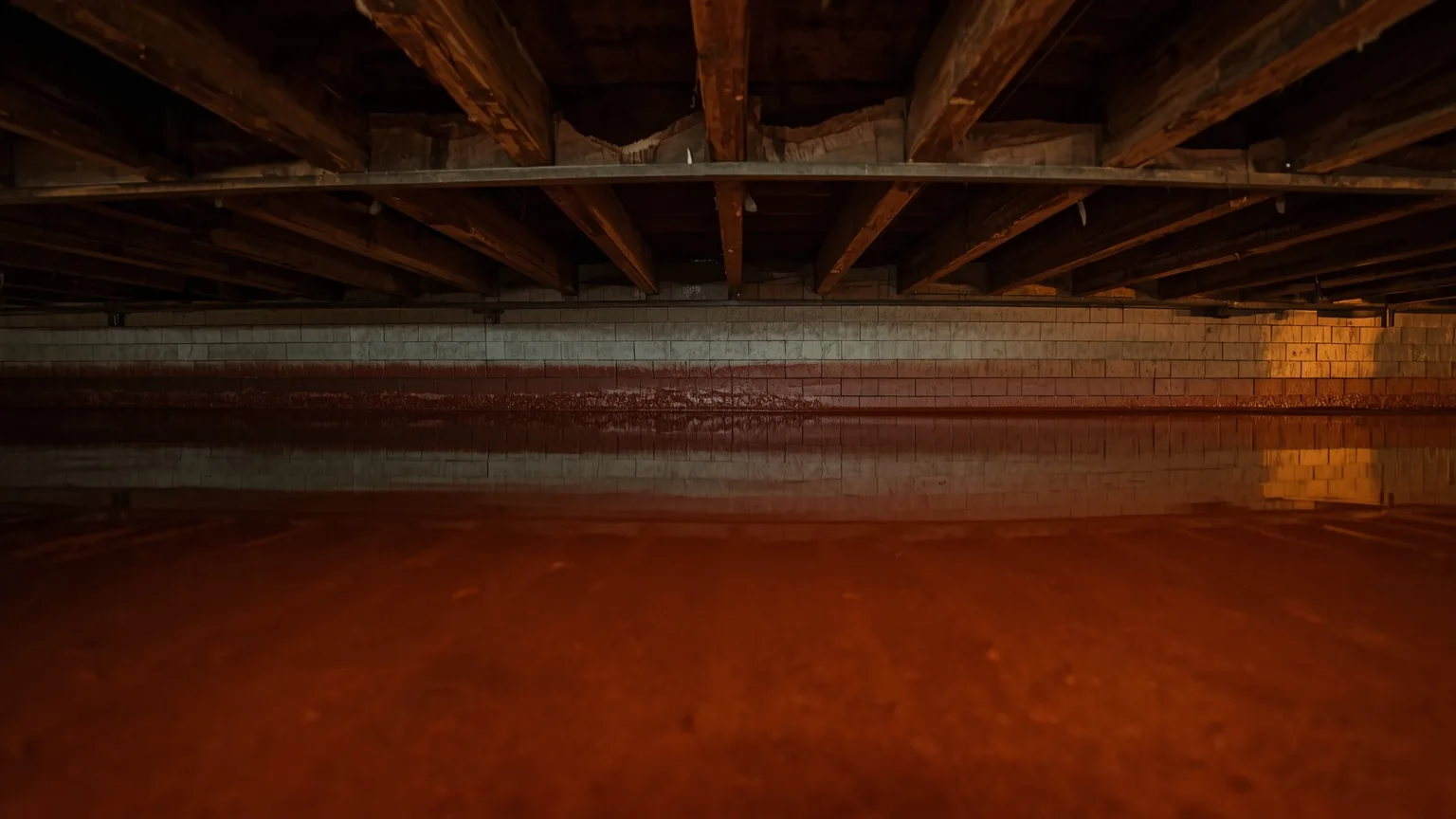
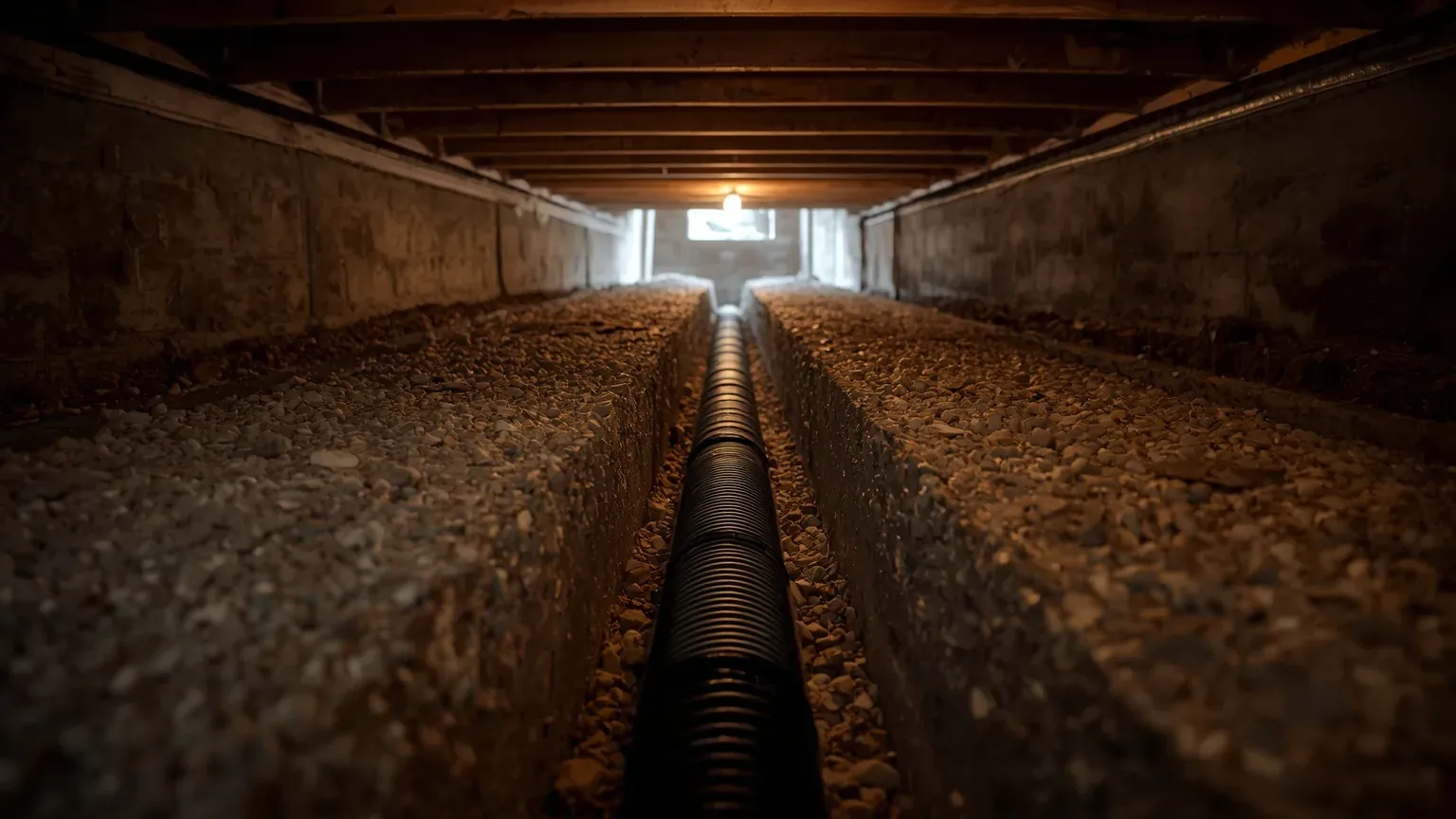
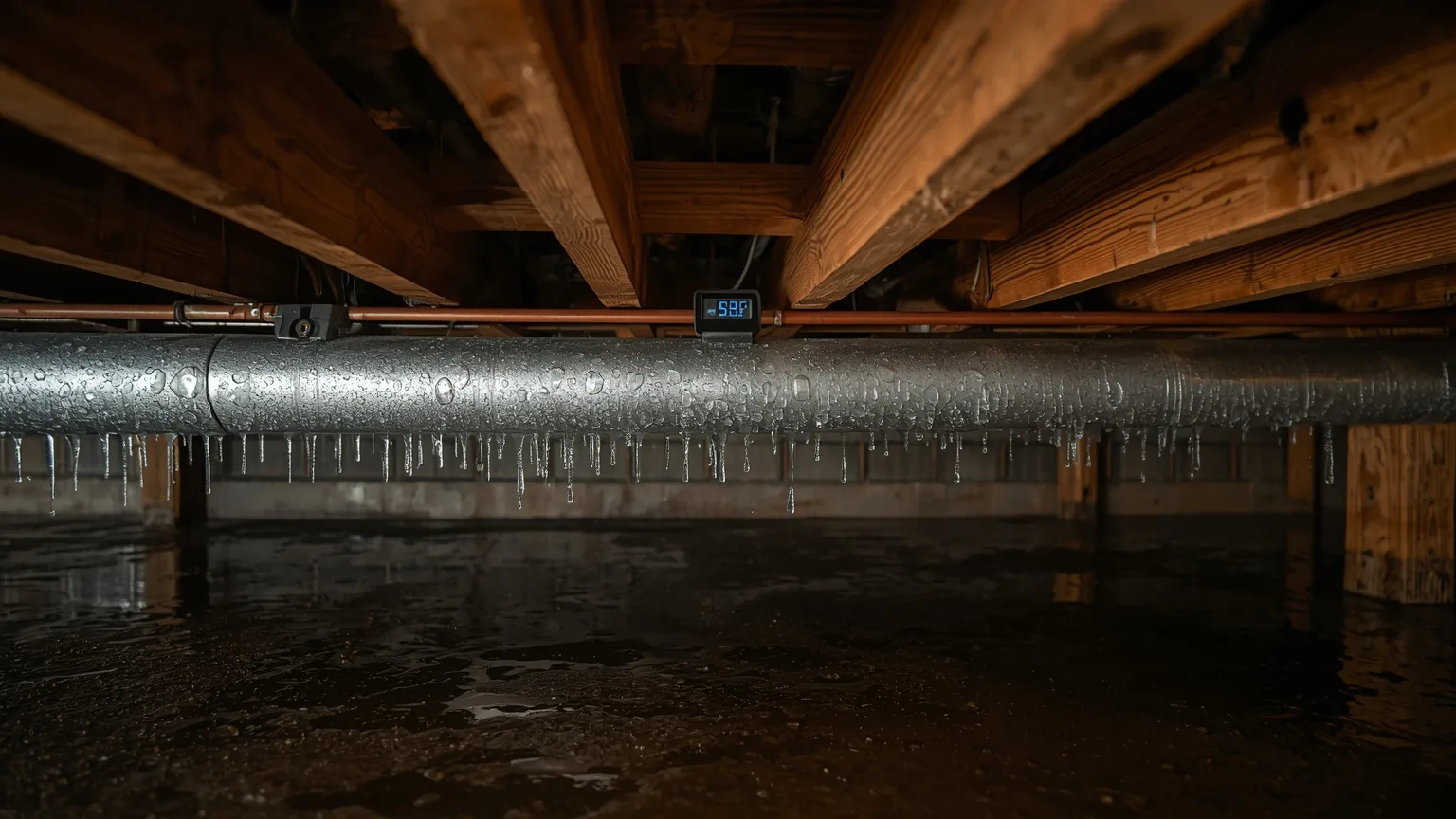
Find out what is actually causing it.
Someone under the house, moisture readings taken, and the scope written down before a price is attached.