
Crawl space moisture control in Raleigh, NC
Moisture control is the diagnosis, not a product. Water reaches a Raleigh crawl space three different ways, each has a different fix, and the expensive mistakes in this trade nearly all come from treating one source with a solution built for another.
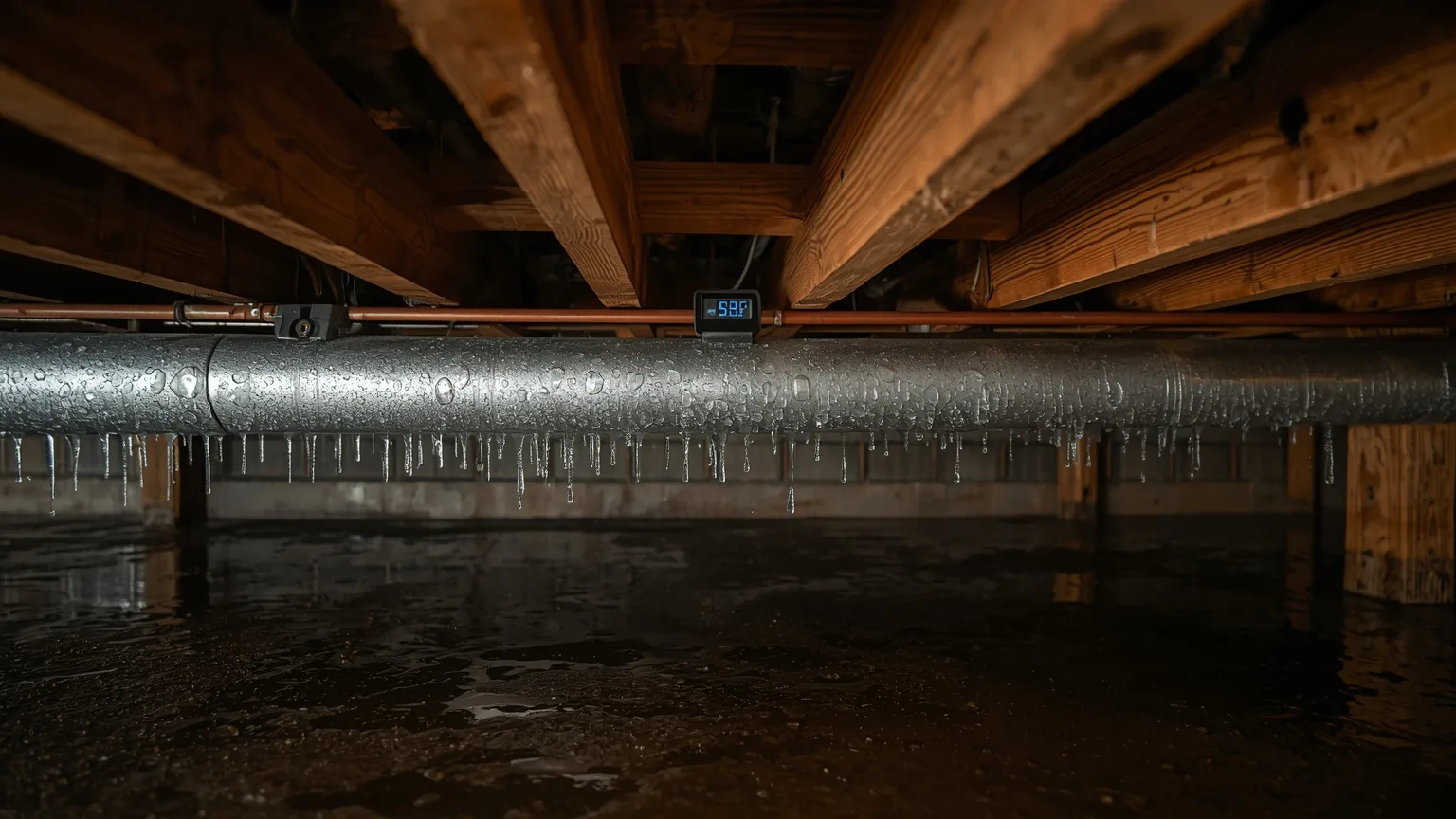
Who handles crawl space moisture control in Raleigh, NC?
Raleigh Crawl Space Solutions arranges crawl space moisture control across Raleigh and the Triangle — moisture readings, humidity measurement and identification of which source is driving the problem, so the right repair is specified rather than the most expensive one. Call (919) 746-7020 to arrange an evaluation.
The three ways water gets into a crawl space
Nearly every crawl space moisture problem in Wake County resolves to one of these, or a combination. Telling them apart is the whole job.
- Liquid water. Groundwater rising, surface runoff entering at the footing, or a plumbing leak. Shows as standing water or saturated ground, usually correlated with rainfall. Fixed with drainage and grading — never by sealing.
- Ground vapor. Bare earth evaporating continuously into the space, with no visible water at all. Fixed with a ground liner.
- Humid air. Warm outdoor air entering through the vents and condensing on surfaces below its dew point. Peaks in still, humid summer weather rather than after rain. Fixed by sealing the space and drying it mechanically.
Reading the seasonal pattern
When the problem appears tells you a great deal before anyone takes a reading.
Water that shows up during or immediately after heavy rain, then recedes, is a drainage and grading problem. Gutters discharging at the foundation, downspouts ending at the wall, and ground sloping back toward the house account for a surprising share of crawl space water in Raleigh subdivisions, and they are the cheapest things on this list to correct.
Damp that peaks in still August heat with no rain in the forecast is condensation. That is humid air, not groundwater, and adding vents makes it worse rather than better.
Damp that never really goes away, in a space with bare earth and no liner, is ground evaporation carrying on year-round.
What gets measured
Moisture content in the wood, taken with a meter at several points — joists, beams, subfloor, and at more than one location in the space. Wood begins supporting fungal growth at roughly 20 percent moisture content, and that number is what separates a crawl space that needs work from one that merely looks unfinished.
Relative humidity in the space, ideally read against the outdoor humidity at the same moment. Crawl space humidity that tracks the outdoor figure through the cooling season is the signature of a vented space importing moisture — the pattern Advanced Energy documented across matched North Carolina houses, frequently running above 80 percent through summer.
And a physical inspection for where water enters: staining at the footing, wash patterns in the soil, efflorescence on block, condensation or rust on ductwork and supply lines.
Why Raleigh soil complicates the picture
The Triangle sits on Piedmont clay — predominantly the Cecil series, North Carolina's state soil, red with kaolinite and iron oxides and typically 6 to 8 feet deep before it meets saprolite.
Cecil is classed as well drained on ridges and side slopes, which misleads people. The clay fraction itself transmits water slowly, and construction grading and equipment compaction around a subdivision slow it further. Water that cannot percolate downward moves laterally along the path of least resistance instead.
The practical consequence is that a crawl space can take on water while the yard above it looks entirely dry, and that two houses on the same street can behave completely differently depending on how each site was cut and filled. It is why a diagnosis for your house cannot be inferred from your neighbor's.
What good moisture control looks like when it is finished
Liquid water dealt with at the source first — drainage, grading, downspouts — because nothing downstream works while water is still arriving.
The ground covered so evaporation stops. Outside air excluded if condensation is a significant part of the problem, with the vents sealed as part of a complete system rather than on their own.
And then, only then, humidity actively managed in the sealed space, at a level where wood stays dry and fungal growth cannot start. Sealed crawl spaces with mechanical drying in the North Carolina research held roughly 55 to 60 percent relative humidity, which is the range worth aiming at.
The Raleigh seasonal pattern, and what it tells you
Wake County sits in Climate Zone 3A, the mixed-humid zone, and the moisture load here is heavily seasonal. Crawl space humidity typically climbs from late spring, peaks through the still, heavy weather of July and August, and eases in autumn.
That curve is diagnostic. A problem that tracks it is condensation from vented air. A problem that spikes with rainfall and then recedes is drainage. A problem that never changes at all is usually ground evaporation. Knowing which one you have is what stops you buying the wrong repair.
Crawl Space Moisture Control questions
What humidity should a crawl space be kept at?
Below the range where mold and decay fungi become active. The sealed, mechanically dried crawl spaces in the North Carolina field research held roughly 55 to 60 percent relative humidity, against vented spaces that frequently ran above 80 percent through the cooling season. The more direct measure is the wood itself — framing kept below roughly 20 percent moisture content is not supporting fungal growth.
Why is my crawl space wet when it has not rained?
Because the water is arriving as air rather than as rain. Warm, humid outdoor air enters through the vents and condenses on any surface below its dew point — ductwork, supply lines, the underside of the subfloor. In a Raleigh summer that mechanism can put more water into a crawl space than a storm does, which is why the problem often peaks in still August weather.
Will a dehumidifier fix crawl space moisture on its own?
Only if the space is already sealed. In a vented crawl space a dehumidifier is working against an unlimited supply of outdoor air, so it runs continuously, costs money to operate and never reaches target. It belongs at the end of a moisture plan rather than the start of one.
Do I need to fix the gutters before anything else?
Often, yes, and it is the cheapest thing on the list. Gutters discharging at the foundation and downspouts ending at the wall put concentrated water exactly where you least want it, and grading that slopes toward the house compounds it. A competent evaluation checks those before proposing anything expensive.
Related crawl space services
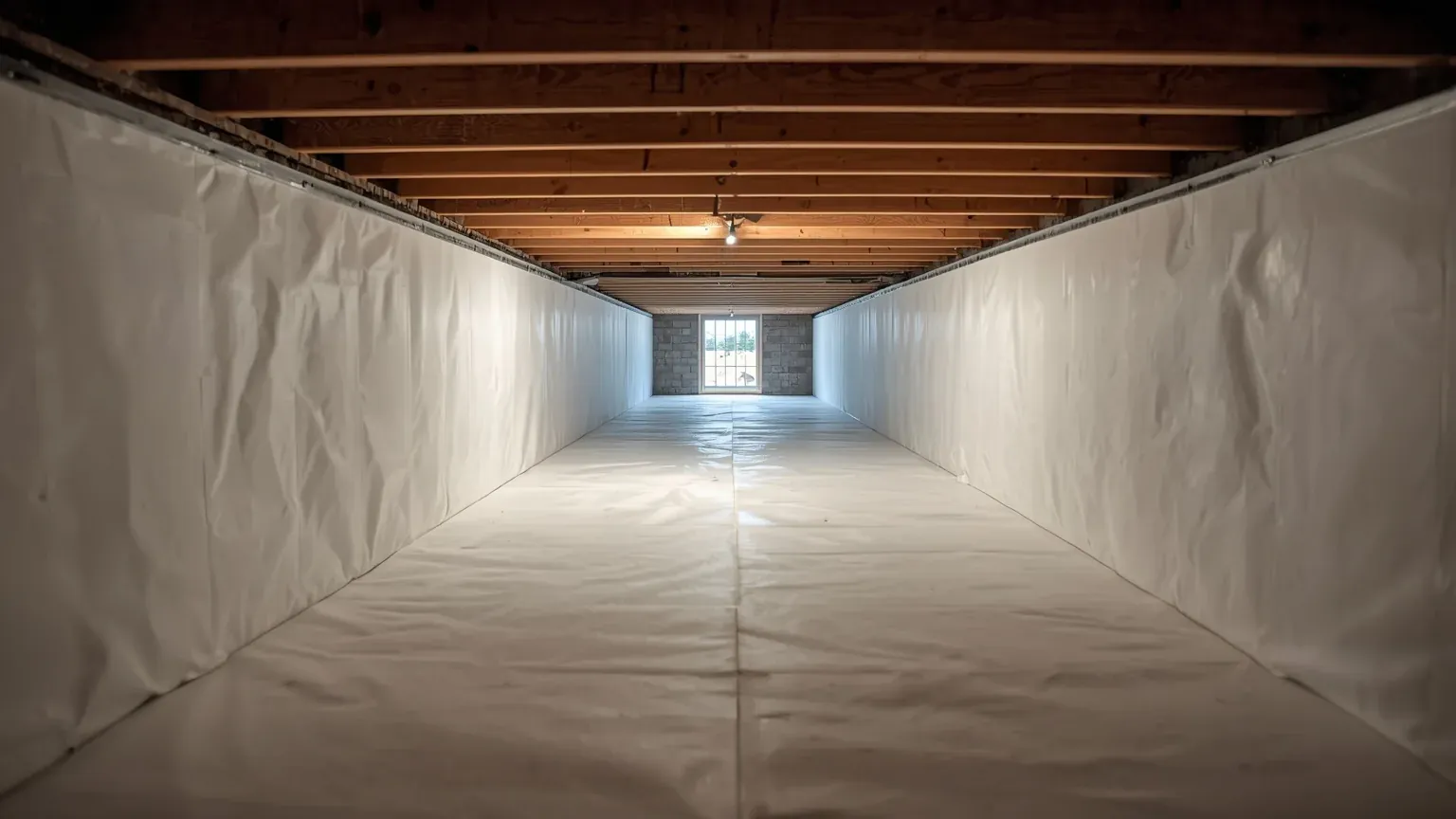
Crawl Space Encapsulation
Sealing the space and controlling what is left — to the NC R409 standard.
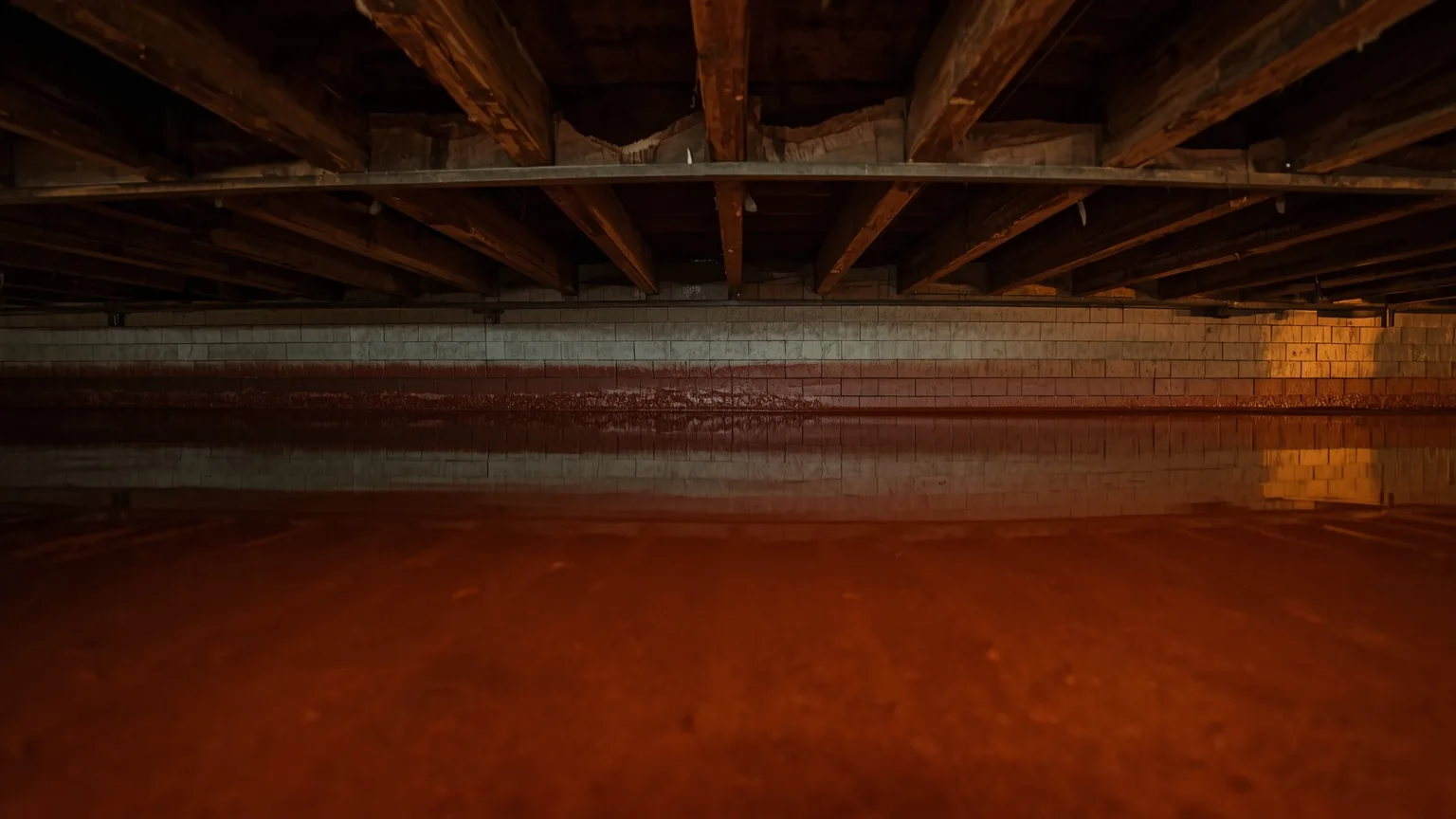
Crawl Space Waterproofing
Liquid water: finding where it enters before anything gets sealed.
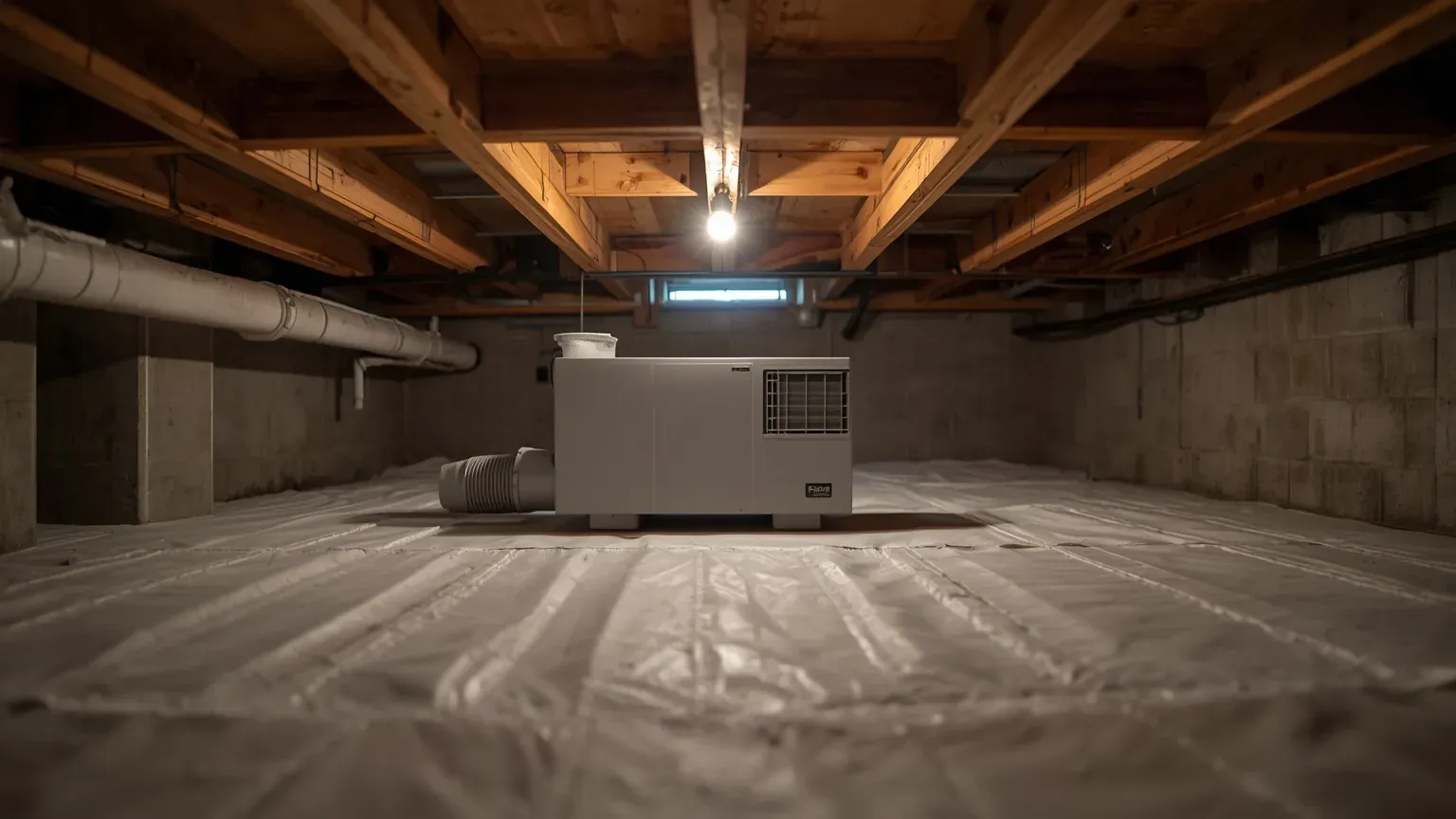
Crawl Space Dehumidifier Installation
Sizing, condensate drainage and the circuit the code requires.
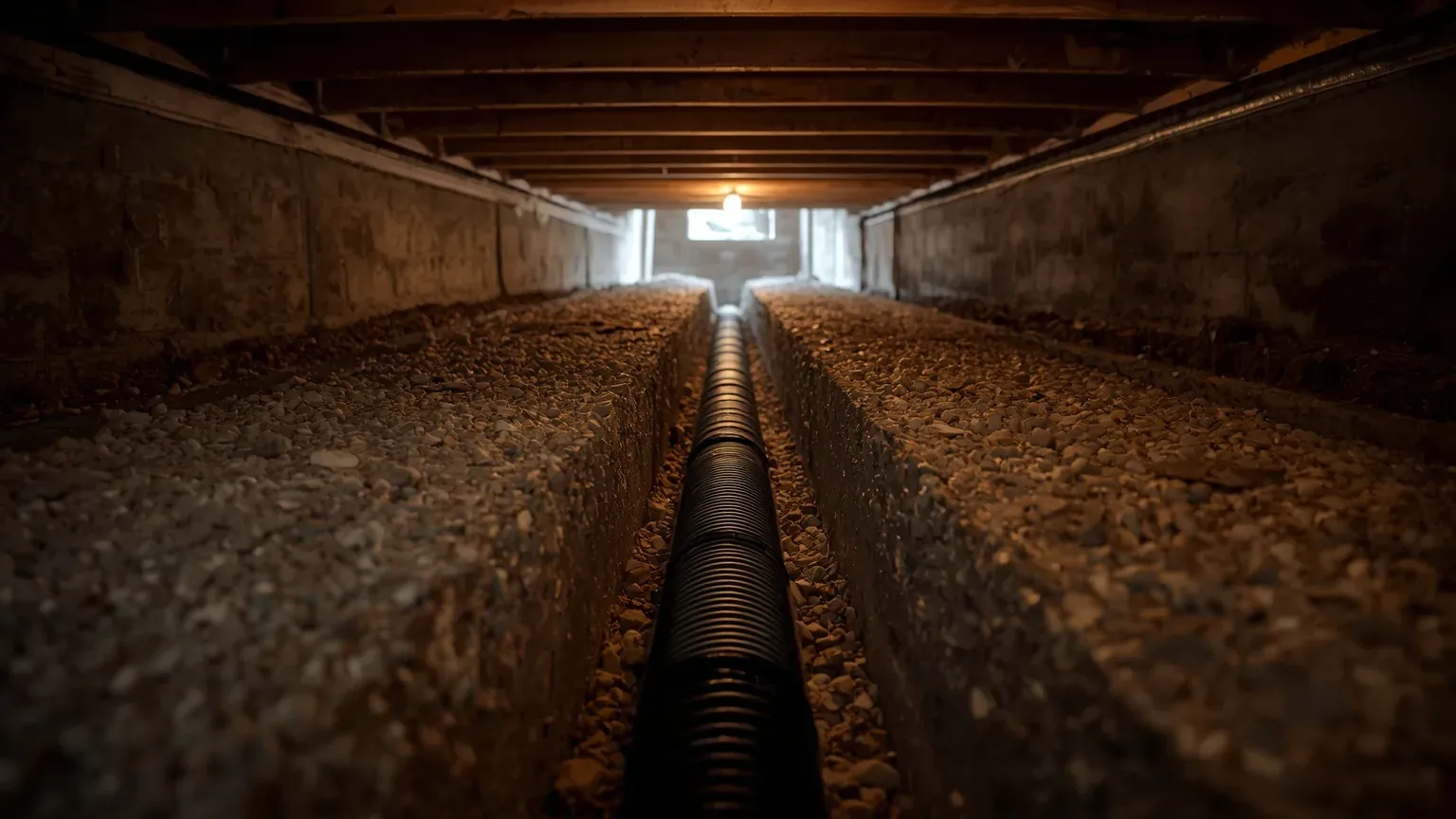
Crawl Space Drainage
Grading, discharge and drain lines that give water somewhere else to go.
Find out what is actually causing it.
Someone under the house, moisture readings taken, and the scope written down before a price is attached.